Friday, June 27, 2014

Cell Phone Photography

I am one of the deniers of using cell phone cameras as a legitimate tool for photography.  And I was wrong.  They are legitimate and they're really pretty good and they're a whole lot of fun.  And of course there's the old adage about the best camera is the one you have with you.

Recently, and I know I'm late to the game, I've decided to take my iPhone 5s a little more seriously and give it a real try and a workout to see if I could actually get away with using it on an outing.
iPhone 5s with edits in Lightroom 5.5
I loaded up a few camera apps and a few editing apps and set out to take some pictures.  What I found out and came back with was surprising in a good way and has changed the way I do a few things.

First of all I'm a complete amateur. I love photography as a hobby and I'm involved with it almost constantly.  I really love gear too. I've been through lots of cameras from Nikon and Canon to Leica and Fuji.  I used to love the big DSlrs and the myriad of lenses and bags and filters and flashes and tripods.  Then along came the micro four thirds and the mirror-less generation and improvements have been steadily coming down the road.  Camera manufactures continuously improve their cameras in tiny increments and make the weakest amongst us constantly upgrade to the newer, bigger, better and faster. Camera sales could not possibly have ever been better than they have been for these past 10 years or so.

Now cell phone manufactures have moved into the playing field in a big way and have all but killed the small compact digital camera market.
iPhone 5s edits in Lightroom 5.5
It's no wonder either, with some cameras boasting huge megapixels and glass lenses on a device that is already in your pocket where ever you go anyway, why bother to drag yet one more device along.

So now I've decided to give my iPhone a real try.  I've decided that for it to be serious I needed a good "camera app" and after trying several different ones found the built in one and Camera + to be the best.  For editing apps I've gotten
iPhone 5s edits in Snapseed
I thought the performance here was surprisingly
good since the lighting was a little
difficult and no flash was used.
the most use out of Snapseed and find it the most pleasing to use with the best results.  I've also tried iPhoto and although I'm just getting familiar with it I kind of like it.  I've tried several others, like FilterStorm but for my purposes and my thinking of cell phone photography it and a few others were just to complex for use on a small handheld device.

The secret to it all, for me, is that it has to be easy and fast.  So far I've found the results to be favorable but not great for the discerning photographer.  For the casual snap-shooter, which I am frequently, it's fine.  Lets face it, most of our work, our photos, end up somewhere in digital format on the web or on a slideshow on your T.V. For photos that only get to screens I've found the cell phone to be a suitable and handy camera.  I know there are now galleries around the globe that feature "mobile photography" artists and I've seen some of what they do and it is amazing.  For me any work I do and want to take seriously and possibly print in a large format, mat and frame, I'll need a bigger sensor.  However I did just make an 8x10 glossy print of an iPhone photo and it looked amazing.

But for cell phone cameras that are doing things really well these days, and most likely will only get better, cell phone photography can be taken seriously and a lot of fun can be had.  I don't much care for all the filters that are available in many of the apps that are out there however for many they can not only be a lot of fun they can dress up a cell phone photograph that isn't as perfect as you might like it to be and make it look good.  The true cell phone artists out there are making incredible images using nothing more than their phone and a few apps.

My workflow was important for me to develop as well.  Since my theory here revolves around this being mobile (read fast and on the move) I want it to be easy and straight forward.  Shoot, edit, share. So my workflow goes something like this:  Take the image and have it saved to my Camera Roll; Open Snapseed and make any necessary edits and save it back to my Camera Roll and Share.  Done.  Let me say too that I do not intend in any way to diminish anyone who has chosen to take this genre of photography seriously.  I get it.  It's really awesome and organizations like Mobile Photography Awards proves this point clearly. But as an amateur myself I'll only be interested, for now, in this genre as a fun, quick and easy way to shoot and share pretty decent photos.
iPhone 5s edits in Lightroom 5.5

So is it a serious tool?  I have to say yes.  Is it for everyone?  Probably not.  Will it be something I do more of in the future?  For sure.  From what I hear the next IOS update (IOS 8) from Apple will include upgrades to the camera that will give full manual control with things like aperture, ISO and shutter speed control.  That will make these little pocket cameras even more amazing.

Many of our camera phones today are capable of images that are much better than what some of the great photographers in our history were capable of with their cameras and certainly much better than many or most of the early digital point shoot cameras.  So use your phone in the same way you would use your camera.  Be thoughtful with your compositions, lighting and subject and shoot away.

Thanks for following along,

Tom


Tomato at the Magnolia Farmers Market
iPhone 5s edits in Snapseed
iPhone 5s  No edits
What really surprised me here was the dynamic range.  Bright sunlight to shadows
and back to blue skies and really good color.
Gig Harbor, Washington ~ Fishing trawler
iPhone 5s edits in Snapseed
The New Oregon Fishing Trawler in Gig Harbor, Washington
iPhone 5s edits in Lightroom 5.5
Gig Harbor, Washington ~ Waterfront and Net Sheds
iPhone 5s edits in Lightroom 5.5

Tuesday, June 17, 2014

Photographing Architecture

In my mind photographing architecture use to be shooting buildings.  Period.  I didn't think in terms of the full definition of the word and how architecture applies to landscapes, design of light and shadow, physical structures of all types, ambiance of space, materials, technology, social consideration and environment.
Condominiums in Downtown Seattle, Wa
The features of this condo seem appealing at first glance and
geometrically speaking it looks nice.  But with the proximity
of the office building hovering immediately over each balcony
it feels intimidating.  Then the terraces or balcony of each
of the units have a very clear view of the balcony just to one
side of them.

Structurally speaking I really like the look of the condo and
the office building right behind it.  But socially it seems
awkward.

Once I started thinking in terms of something other than just a geometric structure I began to look at how I wanted to photograph architectural structures and how they fit into the space they occupy.  In fact once I began thinking differently, I began to see differently.  I still look for geometric shapes as one of the first things that catch my eye, but now I look a little closer. Walking around the subject, going in it, looking closely at the texture of the materials and looking at how it sits in relationship to other buildings. In the urban landscape the social factor is important as well.  As a cultural symbol of city dwellers do these condos/apartments offer a feeling of being socially connected or separated?  Do the towering office buildings fit comfortably in the whole landscape and offer a welcoming presence or a foreboding one?

Some structures are true works of art, others appear to have been built with efficiency only in mind.

When traveling I used to get up in the morning grab my camera, batteries, extra cards and take a walk around the city looking for interesting building to photograph.  Now I prep my walk the same way but know that my time out will be much more interesting and a great deal more enlightening and maybe a bit more challenging. Photographing the way I do now I'm more likely to meet people because I'm getting in closer.  I'm learning a little more about the area I'm in and the history of the building(s) I'm shooting.
Office building downtown Seattle, Wa
This rather featureless structure only offers a static geometric design and
a textured veneer of some interest.  The fact that it's sitting alone (there are other building just outside
the frame of this shot) gives it this monolithic feel, which I kind of liked.
The artistic design work and thought that goes into the interior of urban buildings is also important to how the structure fits into an area.  That foreboding feeling you can get from a building that doesn't have any inviting features or a welcoming presence can feel intimidating.
The Convention Center in downtown Tacoma, Washington is a
perfect example of a welcoming building.  It's all glass, metal
and wood.  Standing outside you can see right through
it and standing inside you still feel like you're right in the
heart of downtown.

Fitting into the area and asking people to come in is important. It can give a kind of personality to the place.  I've walked past buildings that I thought I wanted to go into only to find an unwelcoming feeling at the lobby door.  I suppose that could be on purpose in some situations but I prefer a personality that's a bit more inviting.

Getting into some of these buildings may seem like a daunting task in itself but I've found that, like most things, a smile and a sincere approach can get you in to most places. The day I photographed the inside of the Tacoma, Washington Convention Center it was closed and locked.  I walked around the building and saw the convention center office, went in and told the front desk that I was an amateur photographer and was interested in architectural photography, loved this building and would love to have a little tour.  In just a couple of minutes they were kind enough to find someone to take me around.  You just have to ask.

As far as camera gear goes it's a matter of what's important to you with regard to image quality.  But the one thing that is important is having a little bit of a wide angle lens.  I find at least a 28mm wide lens is good and most cameras can achieve that easily.
For any interior photos a tripod would be helpful but you can always look for a ledge of some kind to rest the camera on and put your 2 second timer to work.  I like plenty of depth of field so a larger f stop, say f5.6 to f11, works best for what I like but remember that the bigger the f number the slower your shutter speed so you'll definitely need a solid purchase for your camera.  I like to keep my ISO number relatively low also, say around 200 to 400, so I can avoid the digital noise issue. Again, low ISO, high f stop equals slower shutter speeds, so you'll need support for your camera.

Seattle, Washington, office building

Seattle, Washington, condominium
The Westin Hotel, Seattle, Washington (one of the two towers)
So for me the whole idea of shooting buildings has become a more encompassing process.  Look up, look down, walk around and look in, when you can.  Meet some folks and ask some questions.  You'll find out something about the building, meet some new people and maybe get access to places you might not have otherwise.

I go light too.  One camera, one lens and the usual extras; batteries, cards, cell phone and business cards if you have them. You may meet someone who might like to see your photos.

A few more photos can be seen here:
https://www.flickr.com/photos/tomcollinsphoto/sets/72157623792319688/


Thanks for following along.

Tom

Tuesday, June 10, 2014

Beacon Rock 25k and 50k Uphill Run, Beacon Rock State Park, Washington

This past weekend was spent with a group of amazingly nice folks with a very deep devotion to physical fitness and sharing in that love together by running either a 25k or 50k uphill race on trails through Beacon Rock State Park.
The Runners getting ready

I went along, not to run, but to be with friends who did run and we spent the weekend camped at the park.  The race, scheduled for Sunday morning at 8am  drew an estimated 300 runners and their families who all camped in the group campground.  Rainshadow Running sponsored the race and and put on an excellent event.

And they're off
Activities began as early as Friday night with a "Hash" run, loosely described as "beer drinkers with a running problem" and as you might expect it's a race that includes frequent stops for beer.  There were more races on Saturday and runners and campers descended upon the State Parks Group camp grounds beginning as early as Friday night. Well the only folks there on Friday night were us three and a new friend Conner Meakin. You can see Conner's Blog here .
Conner Meakin

But by Saturday afternoon the park was full, tents were up and everyone was having fun.  By that night people were gathering by the fire to meet each other and talk about the race in the morning.  George, Herb and I retired early in anticipation of the 8am start time for the race.

Rain Shadow had prepared the area well with flags on the course, breakfast foods at the starting point, races for the tots and a promise of prizes, food, beer and live music at the end.  And they came through with it all.  A wood fired pizza oven showed up and started turning out some of the best pizza I've ever had, a truly wonderful folk band played, beer was cold and children were happy and playing everywhere.  It really was an absolute success.  Props to the group from Rain Shadow Running for putting on a truly good time.
The band was playing by noon and the after race party was on.

Wood fired Pizza all the way from Olympia

George finishes in a very respectable time.

Herb finishes shortly behind George

And the beer was cold, good and in high demand
Without too many race activities to attend on Saturday the three of us decided to take off and look over the local area. Highway 14 along the north shore of the Columbia River in "the gorge" is another one of the most beautiful areas you'll see in our fine state. The views are magnificent and there's no shortage of things to do, to see and places to eat.
Beacon Rock State Park

Our first stop was a town in Oregon known as Cascade Locks. After you pay a $1.00 toll to cross The Bridge of the Gods from Washington to Oregon you enter this small and friendly town rich with a history that dates back to 1875 when locks were constructed to aid the settlers who were traveling from the east to navigate the intense rapids of this area.

The Bonneville Dam, fishing, wind surfing and sailing, hiking, climbing and boating are all available in this area.
The Bridge of the Gods (in the distance) and fishers (fishing for Shad) along the locks
Wind Surfers on the Columbia River
The Bonneville Dam on the Columbia River (and open for tours)
Turbines inside the Bonneville Dam
 All the photos for this trip were taken with the Fuji XT1 and the Fuji 18-55mm f2.8-4 kit lens.

Thanks for following along.

Tom


Thursday, April 17, 2014

Travel to Victoria, British Columbia with the Fuji X100s

I've had my Fuji X100s for a couple of weeks now but haven't had an opportunity to travel with it. The challenge for me with this new camera was to see if I needed anything more for my photography needs when traveling, ie; zoom and wide angle lenses, filters, tripods, flashes; in other words an extra bag just for my gear.  This post is a result of purposefully traveling with nothing more than my X100s, two spare batteries, extra SD card and cleaning cloth; all of which fit nicely in my front pant pocket.  All the photographs in this post were taken with that camera.

The trip;  Victoria, BC on Vancouver Island in the Pacific Northwest.

Living in the beautiful Puget Sound Region of the Pacific Northwest lends itself to some of the finest travel around.  Seattle and the many stunning small mountain and harbor towns of Washington.  Portland Oregon and the Oregon coastal communities.  And just a little farther south, the incredible Red Woods of northern California, San Francisco and of course; the mesmerizing coastal highway, US 101.
Leaving Port Angeles, Washington on the Coho Ferry.
For something a little different and for as little as $17 and a 90 minute boat ride on the Coho Ferry out of Port Angeles, Washington; you can be in an other country and experiencing another culture.  Beautiful Victoria British Columbia on Vancouver Island.  It's located directly across the Straits of Juan DeFuca from Port Angeles, Washington.  The Black Ball Express operates The Coho and provides all of the comforts you'll need for the short ride.  A duty free shop, a food galley, comfortable seating for about a thousand people and big windows.  If you plan to drive around once you get to Victoria, there's even room for your car at a slightly higher fee.  However, I've never found a need to drive and find everything I need and want to do in Victoria easily accessible on foot, by boat taxi or regular cab.  Of course, there are also scooter and car rentals available on the island as well.

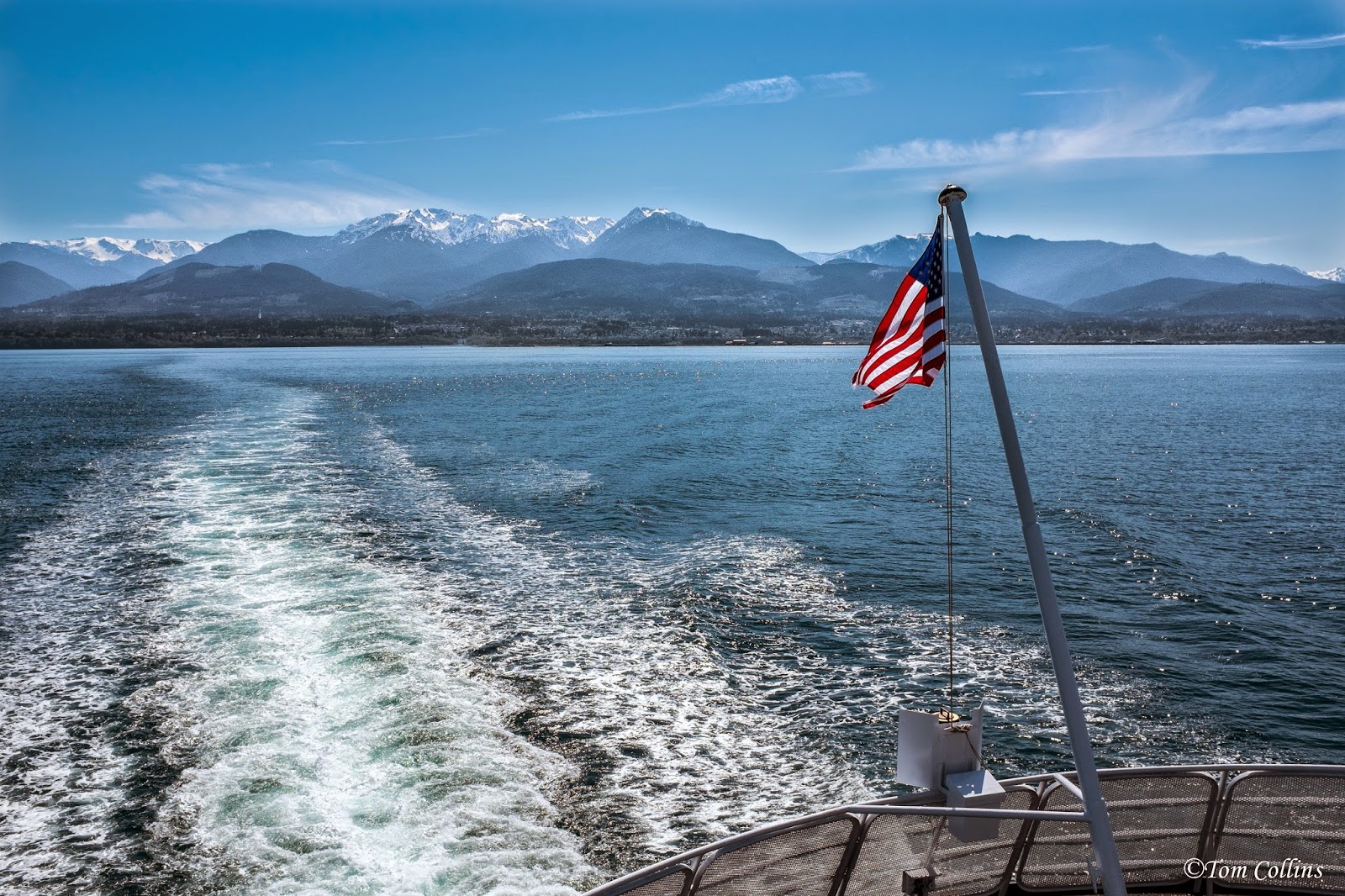
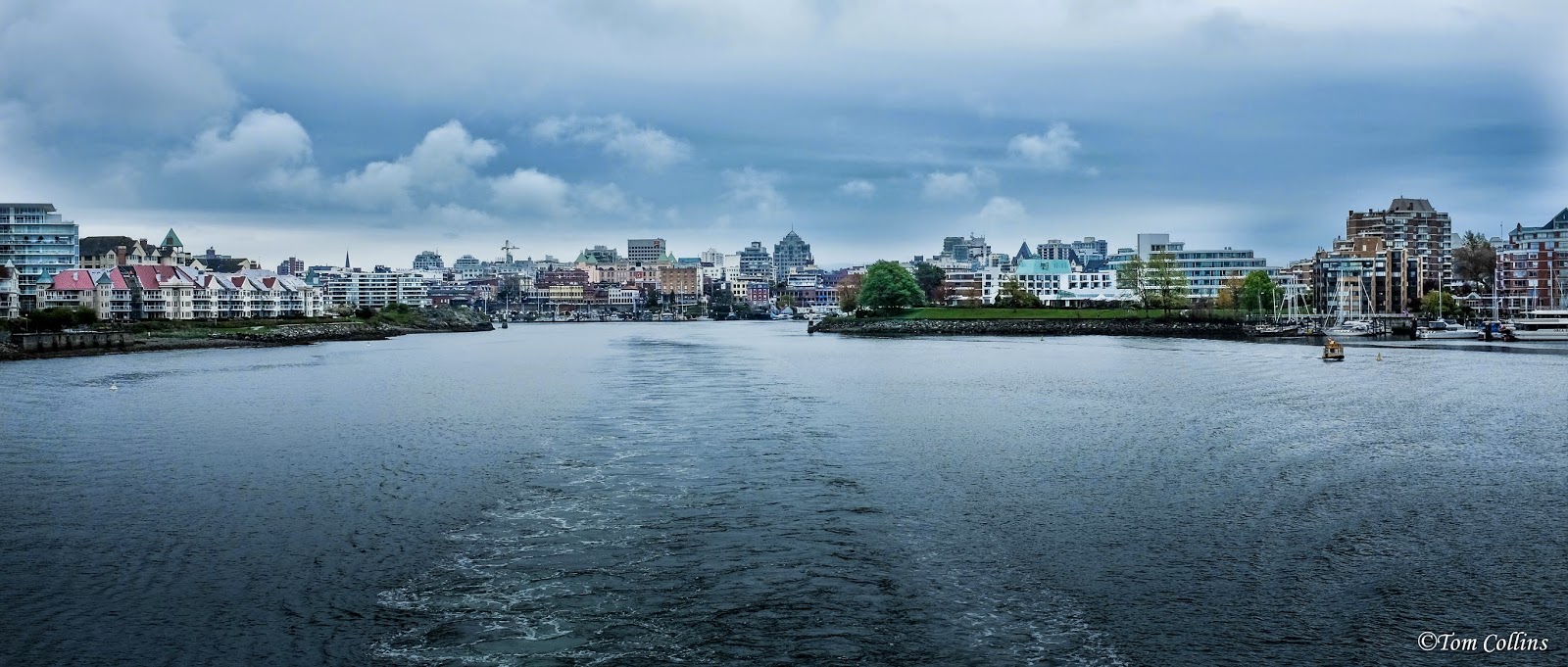
Welcome to Victoria, BC.  I'm on the Coho and actually leaving in the photo below.  The weather in Victoria is pretty similar to the weather throughout the Pacific Northwest, but maybe just slightly better. On this trip we had glorious sunshine for three of our four days and on the last day it clouded up and began to sprinkle.
View from the back deck of The Coho Ferry looking toward Victoria's Inner Harbour.
Traveling to BC you'll need all the usual papers for traveling out of the US.  Passports are best, but make a call and check first.  Arriving in Victoria's Inner Harbour puts you right in the middle of everything.  Hotels, restaurants, shopping, museums; are all within walking distance of the ferry landing dock.  If you have extra baggage, there are always cabs waiting right out front of the terminal.  Cab fare to just about anywhere in the city is usually under $10.
Once you're on the streets you'll see the wonderful preservation of Victoria's old buildings.  Anyone building in Victoria is only allowed to remodel the interiors of it's buildings and fix up the exteriors.  They may not tear any of the old buildings down and the result is a city of extraordinary old world beauty. Local and name brand shops are housed in these buildings, as well as some of the best restaurants you'll ever dine at.

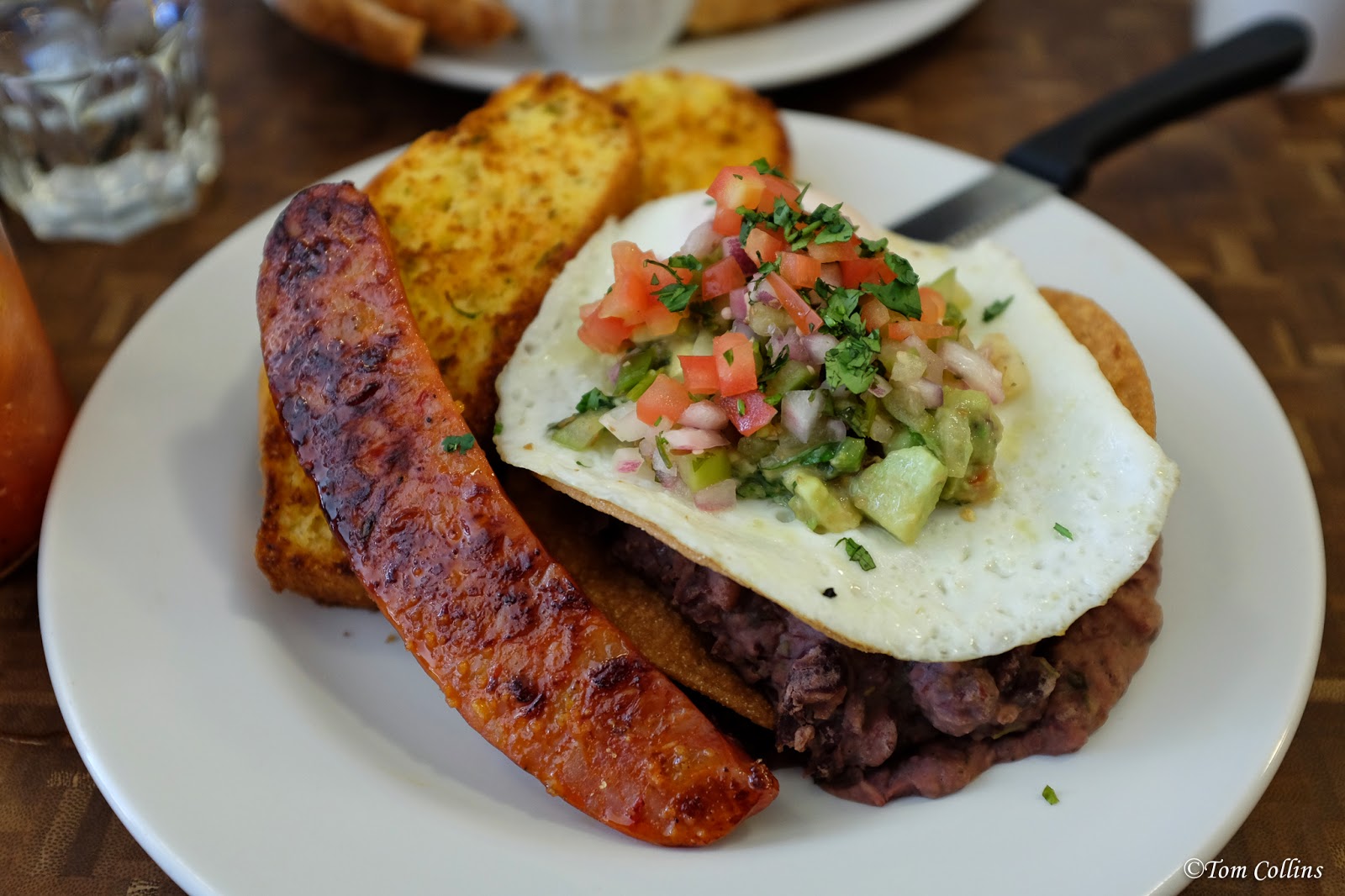
The variety of cuisine in this town is phenomenal.  It is truly a world class culinary experience.  A favorite breakfast spot to frequent is The Jam Cafe, where the line to get in for breakfast on the weekend can be a little daunting, but so worth the wait.  Their "Caesar" (bloodymary) is one of the best I've ever had.
Huveos Rancheros from The Jam Cafe
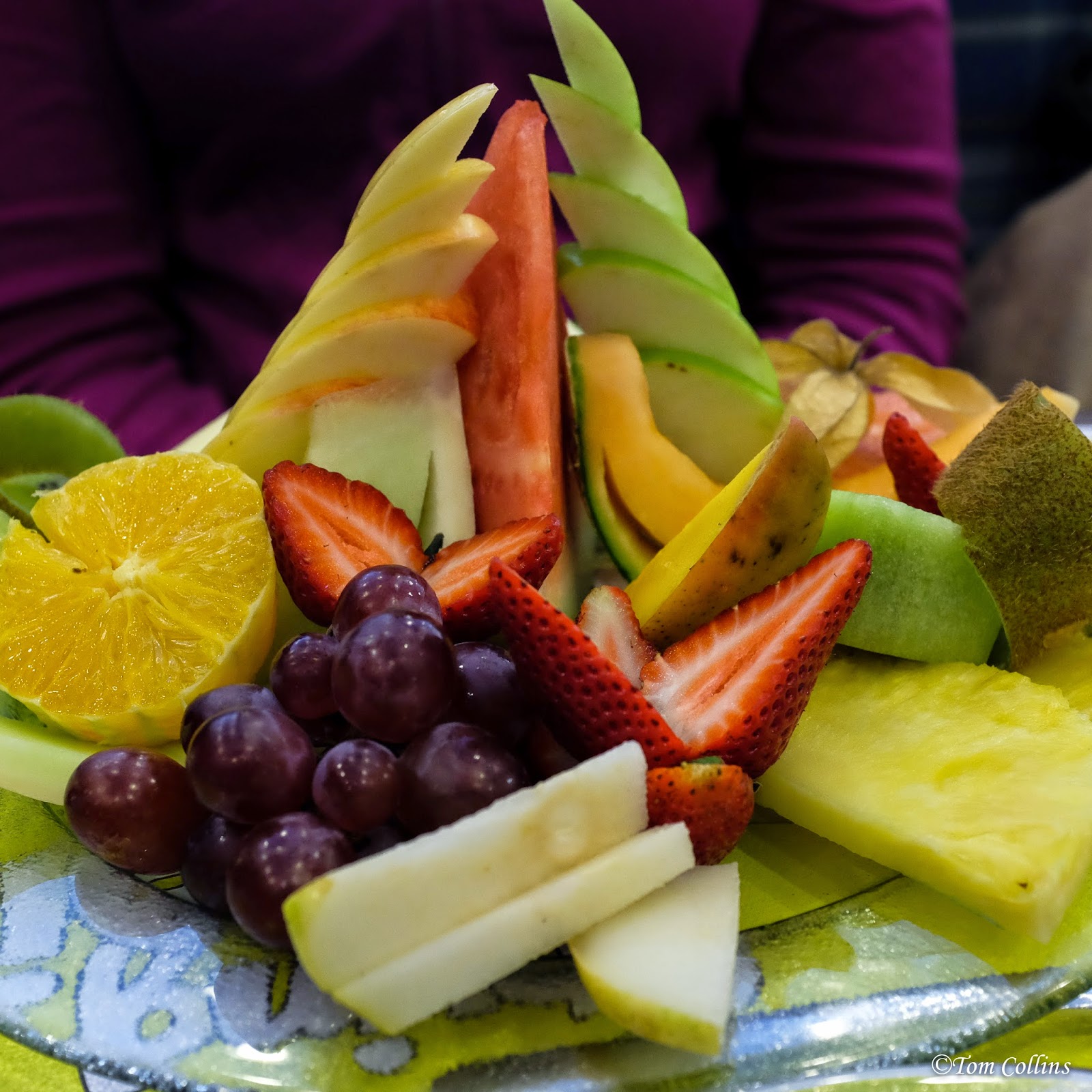
The Huveos Rancheros were perfect. Another favorite for breakfast, if you feel a need to add something healthy and add some delicious fresh fruit to you diet is Cora's on Douglas Street.  Believe me, you'll get your daily serving of fruit at this place.  Breakfast, lunches, dinners are all excellent at so many places you just about can't go wrong anywhere you chose.

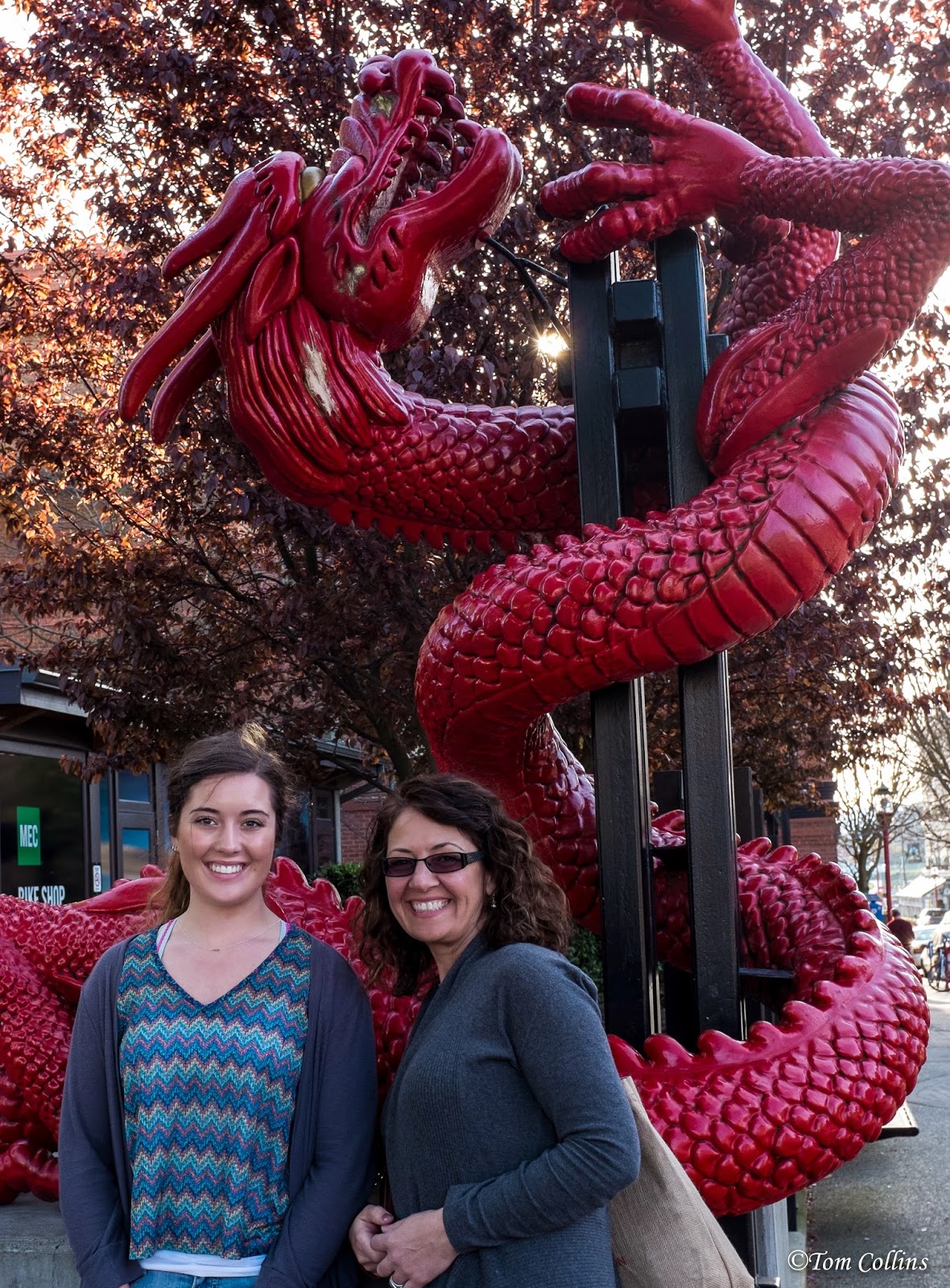
From easy walks around the city, China Town, High Tea at the Empress Hotel,
Lisa and Emma (my wife and daughter)
 at the entrance to China Town
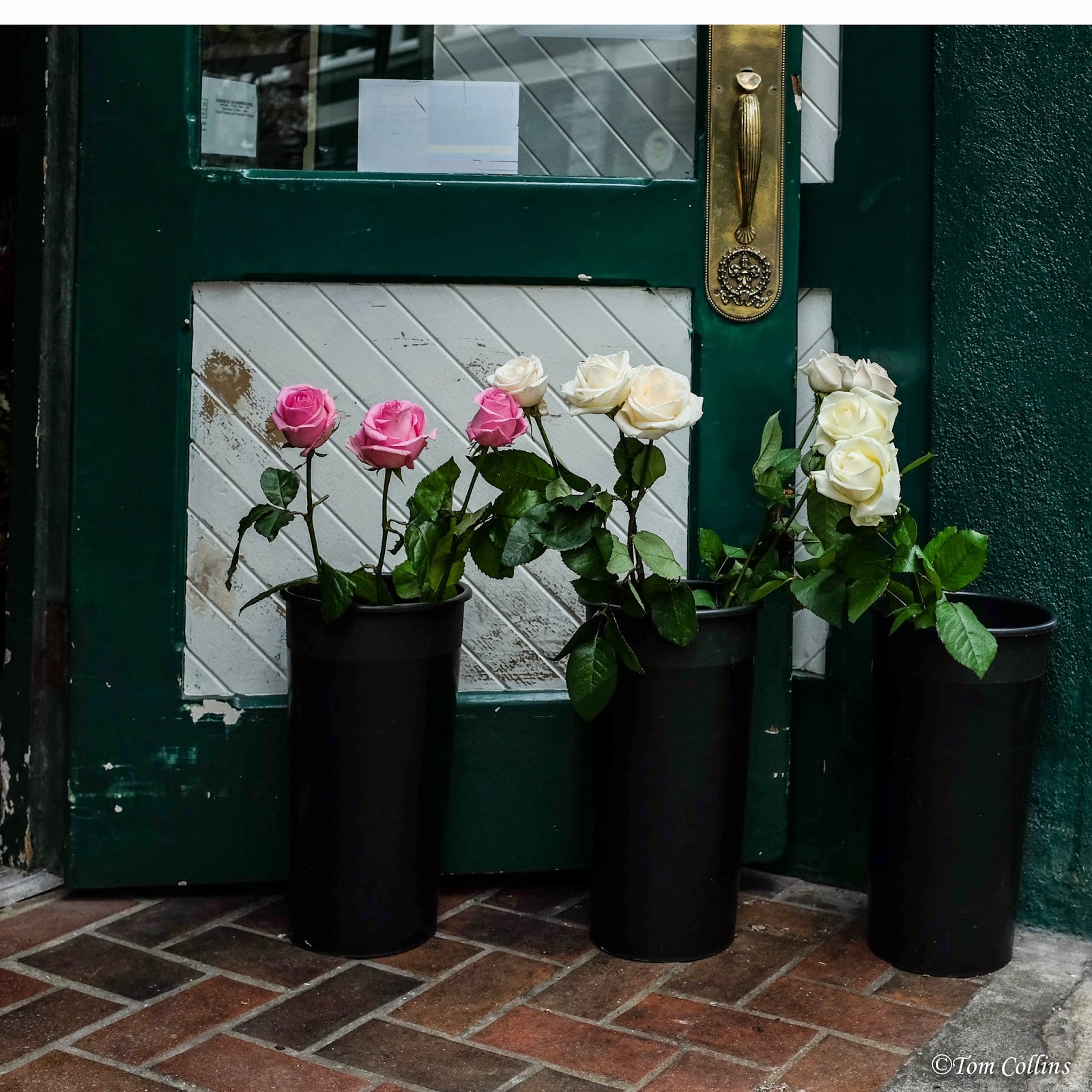
One of the many welcoming doors to
the shops in downtown Victoria
water taxi rides in the Inner Harbour, to a double decker bus ride to Butchart Gardens; there is  much to see and do.

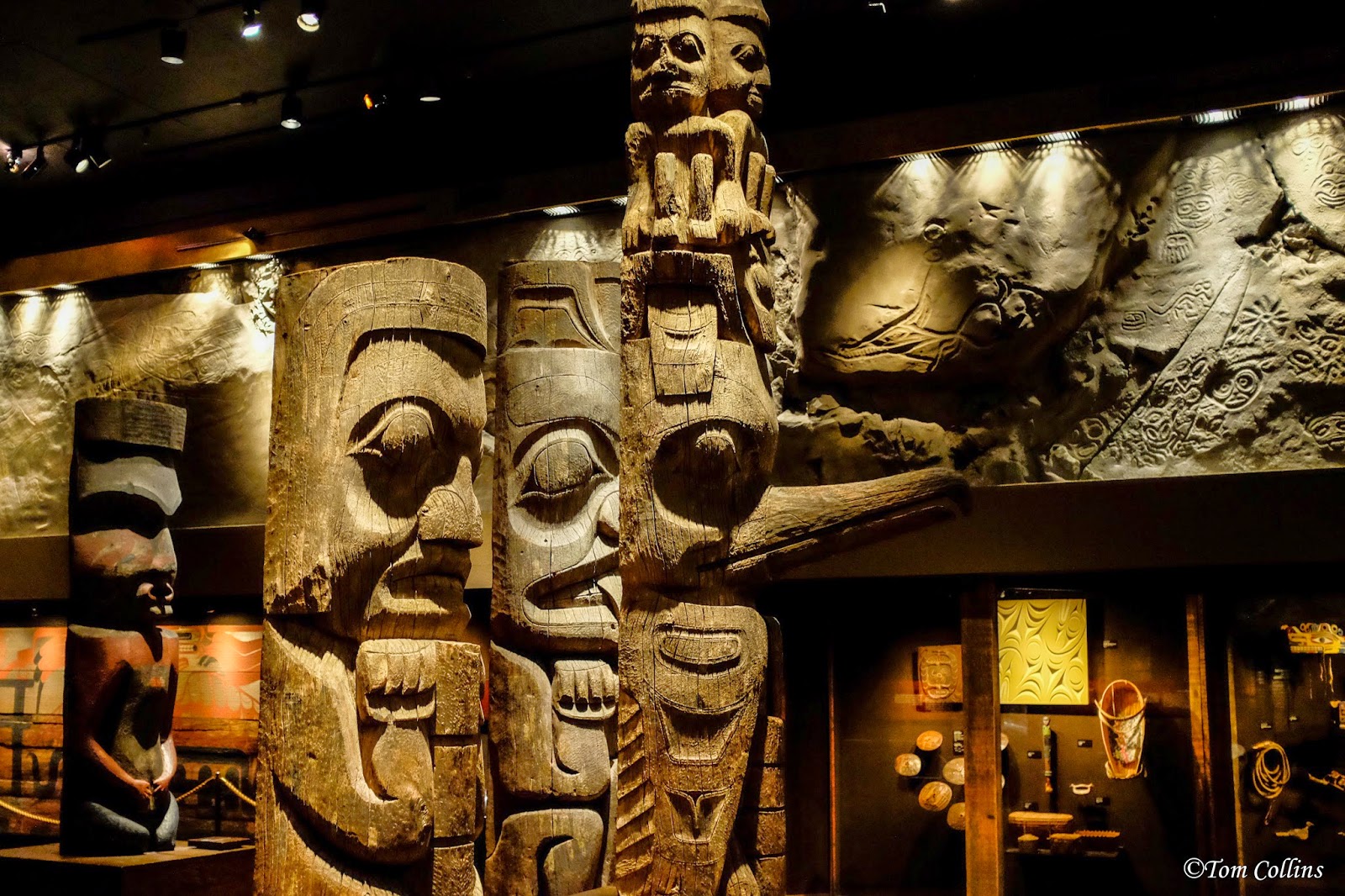
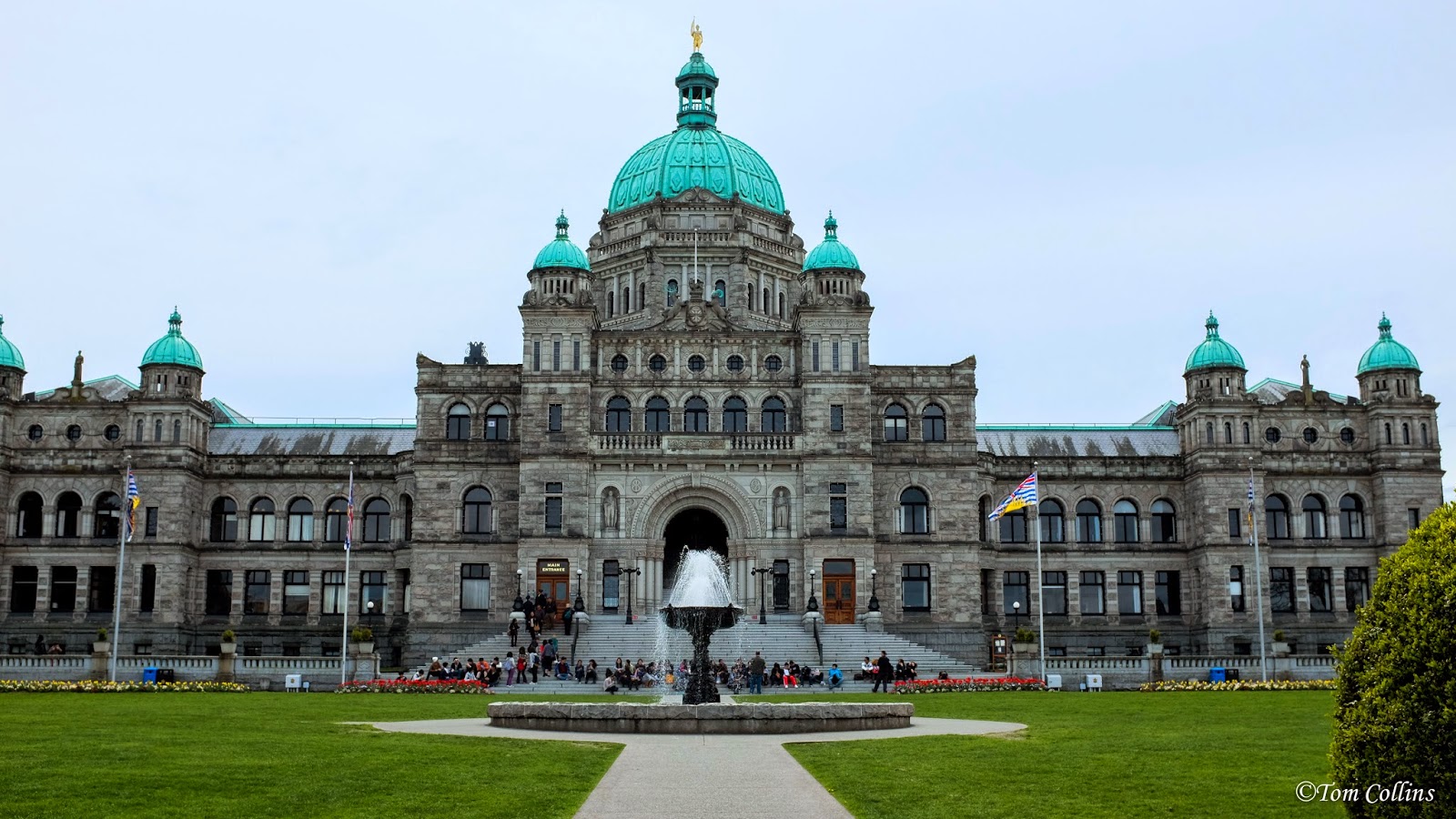
The Government buildings are open to the public and are stunning structures inside and out. The British Columbia Museum of Natural History is one of the best bargains you'll find for a good half days entertainment.  The rich and colorful history of the north American Indian is shown and told with magnificence and grace.

Totems in the BC Natural History Museum
Fuji X100s shot at ISO 3200

One of the Government buildings open to the public.

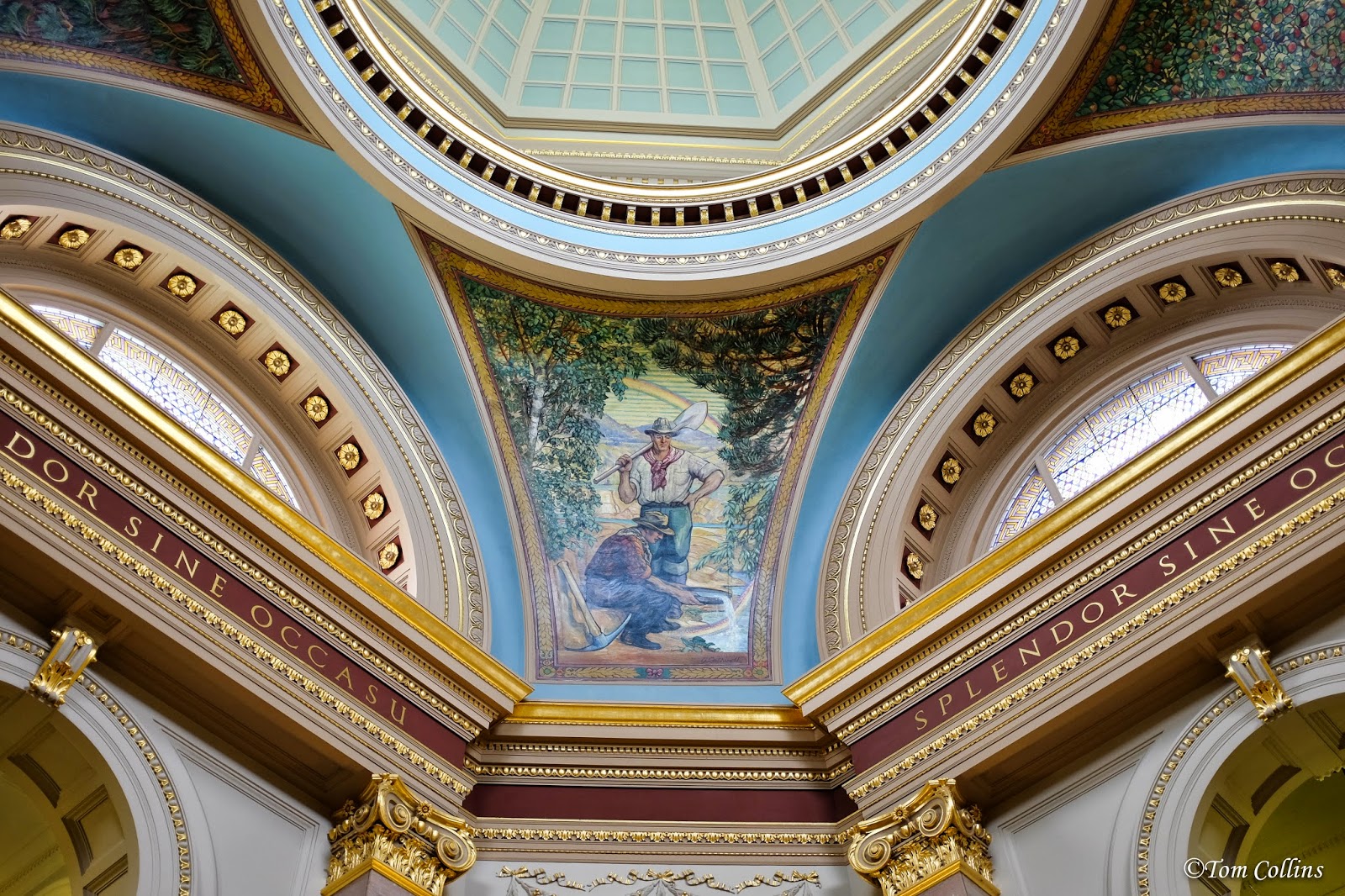
The dome (partially) inside the main Government building.
For those who love gardens, the tour to Butchart Gardens is an absolute must see.  The double decker bus that transports you is located in front of the Empress Hotel and the fee to the Gardens is $25 (RT).  You can also include the ticket price to get into the Garden as well for an additional $24.  So for $50 you get a very comfortable 35 minute ride in a double decker bus, a great narrative of the area along the way and your tickets into the Gardens.  The buses come and go every couple of hours.  (Be sure to tip the driver, he's full of good information and very nice.)
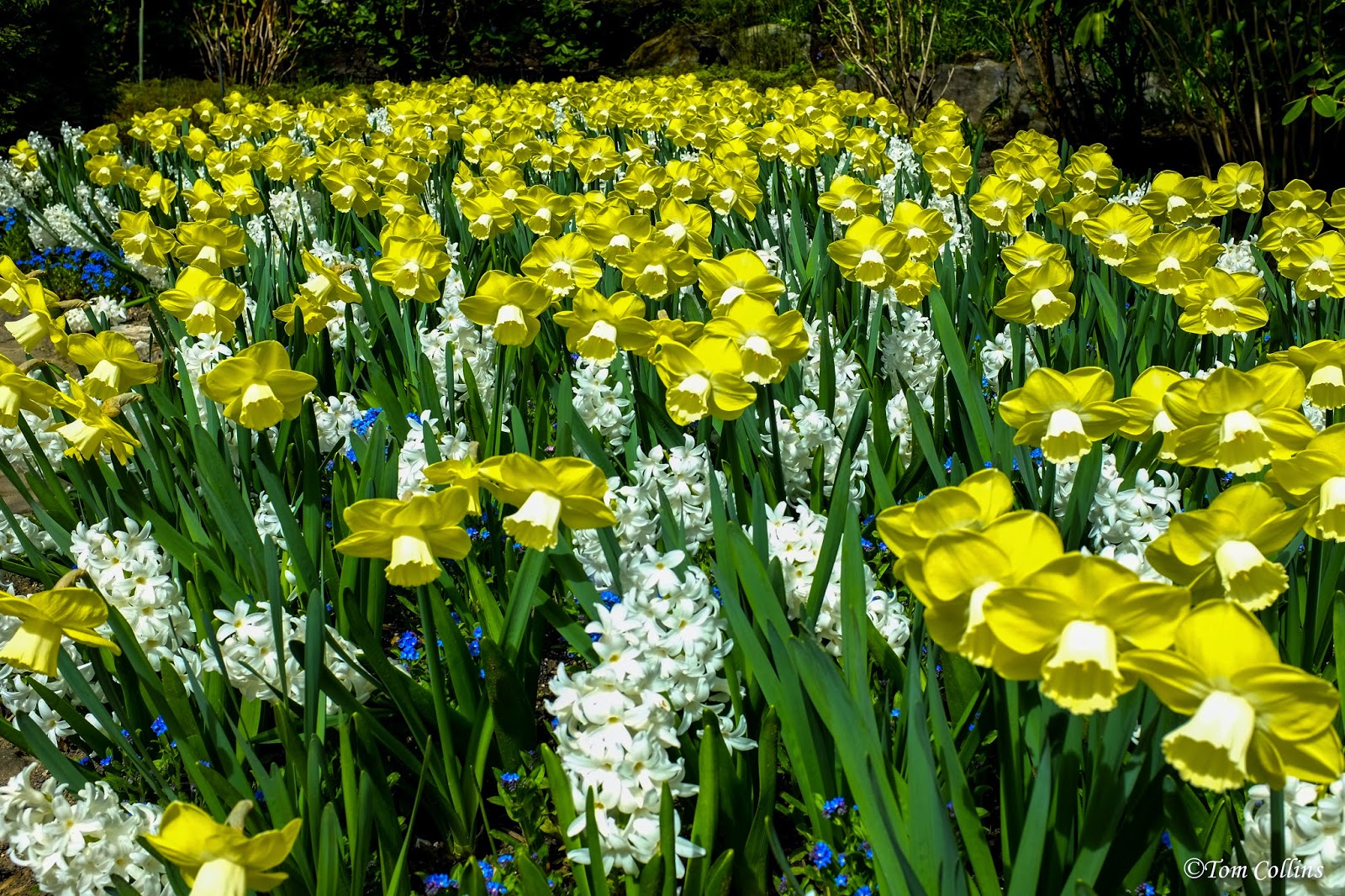
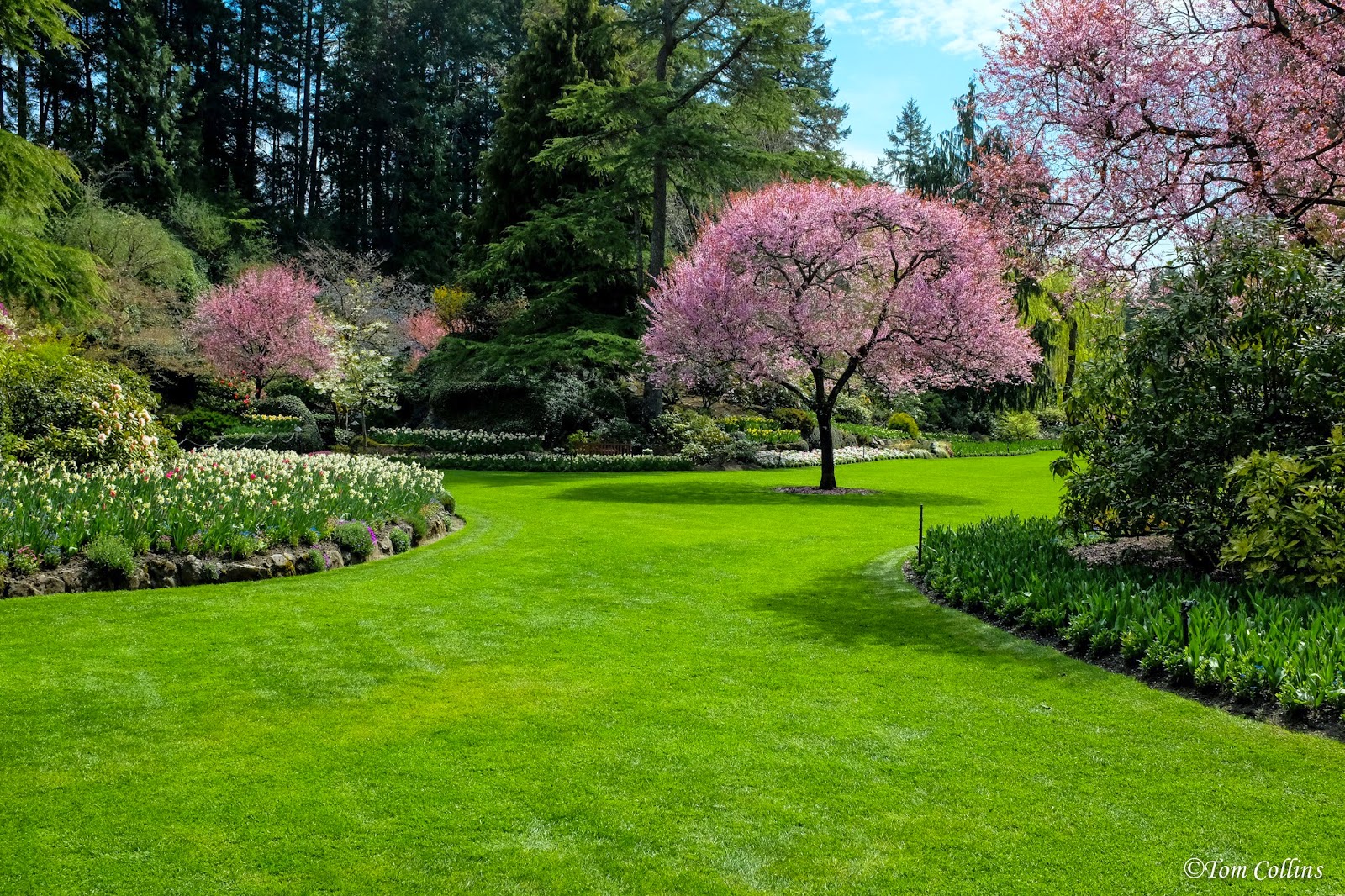
Butchart Gardens

Butchart Gardens
Come back to town from a day of sightseeing and stop at any of the dozens and dozens of coffee shops, log on to the free wife networks, check your email and relax before heading back to the room or out to dinner.

If you're a night owl, get ready for some real fun.  The bars in Victoria are great, lively, and happy places to be.  Live music in most places seven nights a week and the atmosphere is fun, fun, fun! The people everywhere are civilized, easy going, conversationalist and open to meeting new people.

So, wondering where to go for a great little weekend get-a-way?  Try Victoria British Columbia.  You'll love it.  We do every time we go!

Oh yeah, and the Fuji X100s was the perfect photographic travel companion.  Not once did I wish for longer or wider, or this and that, it just hung nicely around my neck or rested comfortably in my hand and gave me all the images I wanted.  Wonderful camera.

Thanks for reading.
Tom


Wednesday, April 9, 2014

My Fuji X100s and My 45 Year Old Canon QL17 ~ Photography Gone Full Circle

I've been taking pictures for a long time, never professionally although I have been paid a few times, but always just for the fun of it.  I have struggled to understand what kind of photographer I am, nature; city; architecture; landscape; fine art, and have decided that I'm a little bit of all of them.

The one thing I am clear about is that I love taking pictures, I love seeing the world around me and I love looking at it through a lens.  And I always, always have a camera with me.

Fuji X100s 2.0s @f4, ISO 500 ~ Bell Town in Seattle, Washington
photographed through a hotel room window
About 3 years ago I moved away from the large dSLR's in favor of the smaller more compact systems that are easier to have with me all the time.  I should point out that I'm 66 years old now and loading a bag or backpack with big heavy camera bodies and lenses and filters, and flashes just isn't that much fun and it's just not convenient for my style of shooting.  But I really enjoy good image quality and don't like sacrificing IQ for convenience.
Fuji X100s 1/320s @f8, ISO 200
Gig Harbor, Washington

So when the camera manufactures began producing the micro four thirds lines and the mirror-less lines I got excited about the possibilities and didn't hesitate.  I jumped right in.  I started out with the very first Panasonic micro four thirds right after it came out and graduated over the next couple of years, through a variety of other cameras,  to the Olympus OMD EM5, which I still have and like very much (especially with the Olympus 45/1.8 lens attached).  But even with the fine EM5 I found myself carting around a bag and lenses, albeit small ones, and that still just wasn't what I was looking for.  Simpler, easier, more convenient, great IQ and no bag of lenses, that's what I wanted.

In 1969 when I first got interested in photography SLR's were just coming into their own and rangefinder style cameras were on the way out, more or less.  I shot with a Canon Canonet QL17 with a fixed 40mm f1.7 lens.  It was with that camera that I learned to see the world around me with photographic eyes.  No zooms, no interchangeable lenses.  


Oddly enough it wasn't until after I got my Fuji X100s and unboxed
it that I realized how similar it was to my original Canon - Canonet QL17
purchased in 1969, 45 years ago.
I was very pleased with how they compared in looks.
Forty five years later enter the Fuji X100s.  Small, convenient, great IQ, fixed 23mm lens (35mm equivalent) and an APSc sensor, it's beautiful and can just hang around my neck as if there's nothing there at all.  Perfect.  But, fixed lens.  How would that work out for me after having access to such a wide variety of lenses?  So I looked back through a large collection of images over the past several years and found that the vast majority of my pictures were taken at or near the 35mm range.  I've shot a lot longer and tighter and I've shot a lot wider too, but picking through my favorite pictures over the years, I tend to like the 35mm to 50mm range.  After shooting the Fuji X100s for just a few weeks I realized that it's all I need.  35mm is where I see the world around me and my feet work perfectly as a zoom, in or out.

So it's been a long journey to end up right where I started with almost identical cameras and fewer choices to make that get in between me and what I want to photograph and I've never been happier.  A happy snapshooter grabbing shots of the stuff I see around me everyday, everywhere.  And, maybe, some of the best news is what my wife said; "You don't look like a photographer, you just look like a tourist". Yes!  I love being a tourist.

Here are a few more shots:  One from a day trip up to Port Townsend, Washington a couple of days ago with my good friend Mark for lunch and few snapshots.  The other from last weekend in Seattle, Washington to see Bruce Cockburn.
Electric Port Townsend, Washington
This bicycle is electrically operated and the gentlemen with the gracious smile having lunch is the owner.
Fuji X100s 1/125s @f5.6 ISO 200

Bruce Cockburn at Neptune Theater in Seattle, Washington.  I didn't have good seats so this is cropped way tight
to get this NO flash shot.
Fuji X100s  1/30s @f4 ISO 500
Thanks for reading.
Tom


Sunday, February 23, 2014

Portland, Oregon; San Francisco, California; Victoria, BC and Seattle,Washington. Wine tastings and a Seahawks Superbowl Victory. Ghosts and the Underground tours in Seattle. It's been a fun start to 2014.

Well it's been a fun start to the new year. Emma's preparing for University and looking for where she wants to go, so trips to Portland and Seattle have been our first places to look at as possibilities.  So far we've been to Oregon State University in Corvallis, Oregon, Portland State in downtown Portland, Oregon and The University of Portland in North Portland.  In Washington we've been to Seattle University (Emma liked it here quite a bit) and Seattle Pacific University.

Between trips there I've been to San Francisco to visit with Steve and Laura (and Catherine who is celebrating a birthday with Laura) and to Victoria, BC to visit with my good friend Lewis, who is wrapping up a big environmental dredging project in one of Victorias harbours.  We've been on Ghost Tours and visited the Underbelly of Seattle and have just had fun in general.


We are so lucky to live on the left coast.  Perfectly situated for access to some of the best travel locations anywhere.  And, San Francisco happens to be one of my favorite cities.  I flew in to SFO, took the Air Train to the Bart and the Bart to the Powell Station in downtown San Francisco.
The Bart connection at SFO

In just a short easy to navigate 30 minutes, I was in the heart of San Francisco.  Why Seattle can't get it together to have a light-rail system that operates as efficiently as the Bart is a mystery. But for anyone planning a visit to San Francisco and you don't want to spend $50 for a cab, or $30 for a van that stops everywhere and could take up to a couple of hours, The Bart for $8 is the way to go.  Simple, easy, fast and convenient.  After arriving in San Francisco I walked to the Hotel Monaco http://www.monaco-sf.com/ where I met with Steve, Laura and Catherine.  This hotel, right next to Union Square, is awesome.  Great staff, nice and well appointed rooms, wine bar everyday and convenient to everything.  Catherine and Laura were celebrating a birthday and Steve and I were playing with new cameras and exploring the city.

Something we discovered that made our trip even more fun was a business called https://www.getaround.com/  With the app for this you can rent cars directly from their owners for more than reasonable rates.  We rented a 2004 Porsche for $8.50 an hour one day and a 2011 BMW 3 Series for $10.00 an hour on an other day.  We even saw older Honda Civics for as little as $4.50 an hour.  And it could not be easier to do.  
Steve with the BMW rental

Here's Steve with the BMW.  It's parked in an underground garage with in and out privileges so your free to come and go all day long.

Of course once we had a nice ride under us we had access to anywhere we wanted to go.  One of the first places we went was across the Golden Gate Bridge to photograph the bridge from the Marin County Headlands on the north and west side of the bridge.  Good luck was with us because a beautiful fog bank was rolling in along with some bright sun at our backs.  The views from this side of the bridge looking back at the city and Alcatraz are just stunning.  From there we drove in to Mill Valley for coffee and a late morning snack before driving back to the city.

The camera I brought with me was the Fuji X100s.  It was a rental from Lens Rentals http://www.lensrentals.com/ and I just can't give this company higher praise.  Fast, awesome customer service, large selection and fair prices.  I've rented from them 4 times and have never been disappointed.    The Fuji X100s is one of the best cameras I have ever used and the image quality is magnificent.  This camera feels and operates like a photographers camera.  I'm hoping to have one of my own soon.

The Golden Gate Bridge from the Marin Headlands


On a disappointing note Steve and I learned that the famous Sam Wo's restaurant in China Town is no longer open.  I'm glad to have had the opportunity on several occasions to squeeze through the kitchen and up the flight of steps to eat there.  It was a landmark.

In all the trip to San Francisco was way too short but a better time could not have been had even if it was longer.

The following weekend I found my way to Victoria, BC on the Coho's ferry Black Ball out of Port Angeles, Washington.   Sometimes we get lucky here in the Pacific Northwest and have truly beautiful winter days.  This was one of them.
The Black Ball Ferry in Port Angeles, Washington

Another wonderful city to visit that's easy to get to, has really great restaurants and lots of them, nice hotels a very lively night-life and good shopping is Victoria, BC. You'll need a passport or enhanced drivers license and a trip through customs.  The Black Ball is $17.00us one way and the trip is about 90 minutes.  There's food and a duty free shop on board and comfortable seating.

More photos of trips taken to Victoria, BC can be seen here; http://www.tomcollinsphotography.com/Travel/Victoria-BC/

Some more localized fun was happening right here in Gig Harbor, Wa and Seattle.  Some friends of friends have recently opened a Winery in Belfair, Wa called The Mosquito Fleet Winery. We were invited to a tasting and we were not disappointed.  Great wine, good food and wonderful friends.
L to R; Jaycee the Winery owner; Stacey and Joe Marten
And to bring it all current, last weekend we went to Seattle for a tour we have heard about often but have never done and now are glad we did.  The Seattle Underground tour was fascinating and highly recommended.  Really interesting history about how that city was built.  The other tour was Spooked in Seattle.  Ehhh, not so much fun but if you're in to ghost stories it might be.

Finally, in the midst of it all the fabulous Seattle Seahawks won the Superbowl.  Perfect way to round it all out.

Thanks for reading.
Tom